
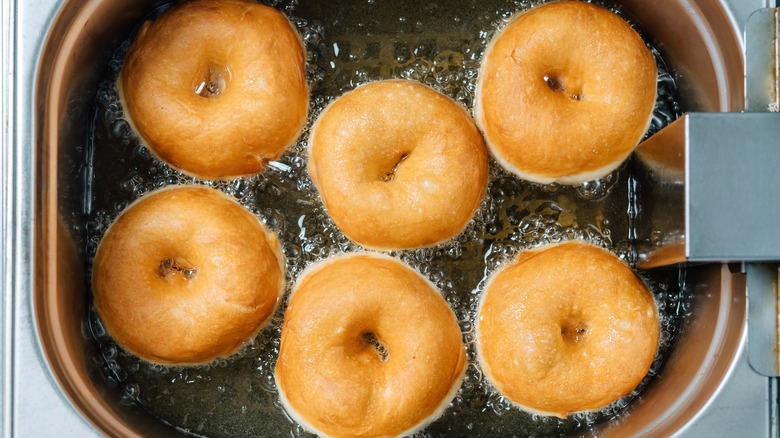
Frying doughnuts to perfection is an art that combines the right ingredients, timing, and most importantly, the choice of oil. Selecting the best oil for frying doughnuts is crucial to achieving a deliciously crispy exterior without leaving them greasy. Expert advice can guide you in making an informed choice that enhances flavor while maintaining a light texture.
Firstly, consider the smoke point of oils. The smoke point is the temperature at which oil begins to smoke and break down, affecting both taste and safety. For frying doughnuts, choose oils with high smoke points such as canola oil (around 400°F), peanut oil (450°F), or sunflower oil (440°F). These options ensure that your doughnuts cook evenly without imparting a burnt flavor.
Flavor neutrality is another critical factor when selecting best oil for frying doughnuts. Oils like canola and vegetable oils are preferred due to their mild taste, allowing the sweet flavors of your doughnut batter to shine through without interference. Peanut oil also works well if you’re looking for a slightly nutty undertone that complements certain recipes.
Health considerations shouldn’t be overlooked either. While fried foods aren’t typically associated with health benefits, choosing oils low in saturated fats can make your indulgence slightly less guilty. Canola and sunflower oils are heart-healthy choices rich in monounsaturated fats, which may aid in reducing bad cholesterol levels when consumed in moderation.
Cost-effectiveness plays a role too; frequent fryers should consider budget-friendly options without compromising quality. Vegetable or soybean oils often strike this balance well by providing high performance at lower prices compared to specialty oils like avocado or grapeseed.
Proper storage extends the life of your chosen frying oil while ensuring consistent results every time you fry doughnuts. Store used oil properly by straining it through cheesecloth after cooling completely—this removes food particles that could spoil future batches—and keep it sealed tightly away from heat sources or direct sunlight until needed again.
Finally yet importantly: don’t forget about sustainability! Opting for sustainably sourced palm or coconut-based alternatives may align better with environmentally conscious practices while still delivering excellent culinary outcomes—just remember these might lend distinct flavors requiring slight recipe adjustments accordingly!
In conclusion: mastering perfect homemade donuts involves careful consideration regarding types/brands available today based upon individual preferences/budgets alike so experiment freely until discovering what suits best personally speaking before settling permanently onto any one particular option exclusively thereafter!